
So, your school has invested in the “latest technology” for every classroom , an interactive panel costing around €3,000, plus an additional PC to run it (and maybe even a second monitor). Now you’re relying on teachers , who you hope are tech-savvy enough and willing to spend time preparing presentations , to actually use this technology to deliver lessons based on the coursebooks you’ve selected for your General English classes. On top of that, they’re also expected to create any extra materials needed for specialised “English for… whatever” courses you introduce to meet marketing demand.
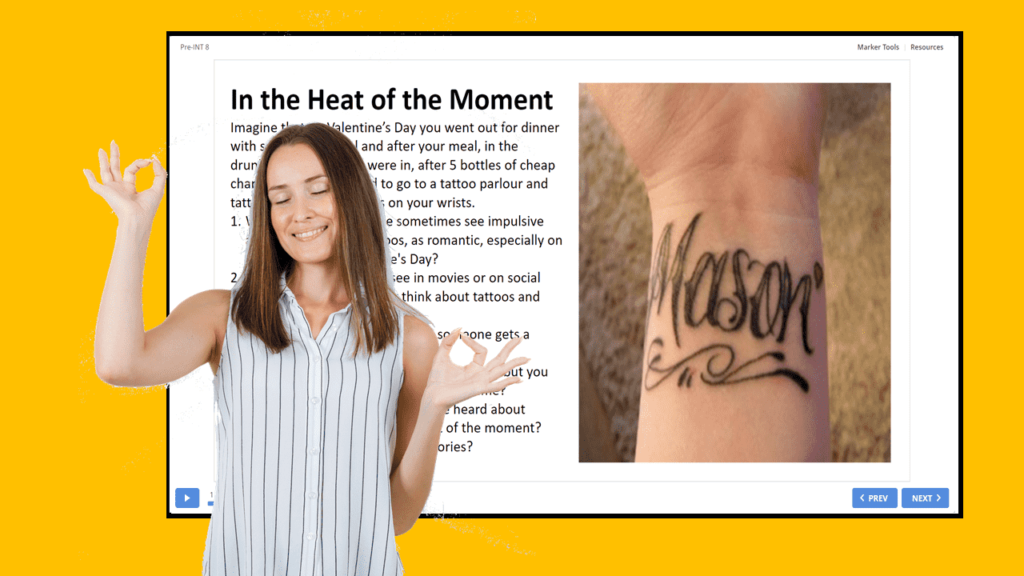
Yes , some coursebooks do come with interactive whiteboard (IWB) resources you can use in class. But from experience , as a tech-savvy, highly experienced teacher/trainer, a lot of this “IWB material” clearly hasn’t been designed by teachers, and it definitely hasn’t been properly tested in a real classroom. Very often, the touchscreen features don’t work, so teachers end up having to use the mouse instead , which completely defeats the purpose of investing in an interactive panel rather than a standard large display that would cost about a third of the price. And sometimes, even the mouse doesn’t work reliably.
So what’s the rational , but strangely unpopular , solution that many schools hesitate to invest in? A dedicated DODAR function, and ideally a small team that can develop high-quality, rigorously tested teaching materials that actually work in practice.
A DODAR , which stands for Director of Digital Academic Resources, is a role I coined to describe the kind of position I would take on if employed within a school of English. The idea behind the term is simple: instead of treating technology as an expensive add-on that teachers are expected to make work on their own, a DODAR provides strategic leadership, pedagogical oversight, and practical coordination for everything related to digital academic resources, including a tailored Learning Management System (LMS) that can easily be incorporated in a WordPress built website.
This role also reflects the work I have already been doing in this area , including the development of SCORM-based interactive presentations and course materials, such as those showcased in my portfolio here: https://onlineteflteacher.com/dodar-click-through-courses-portfolio/
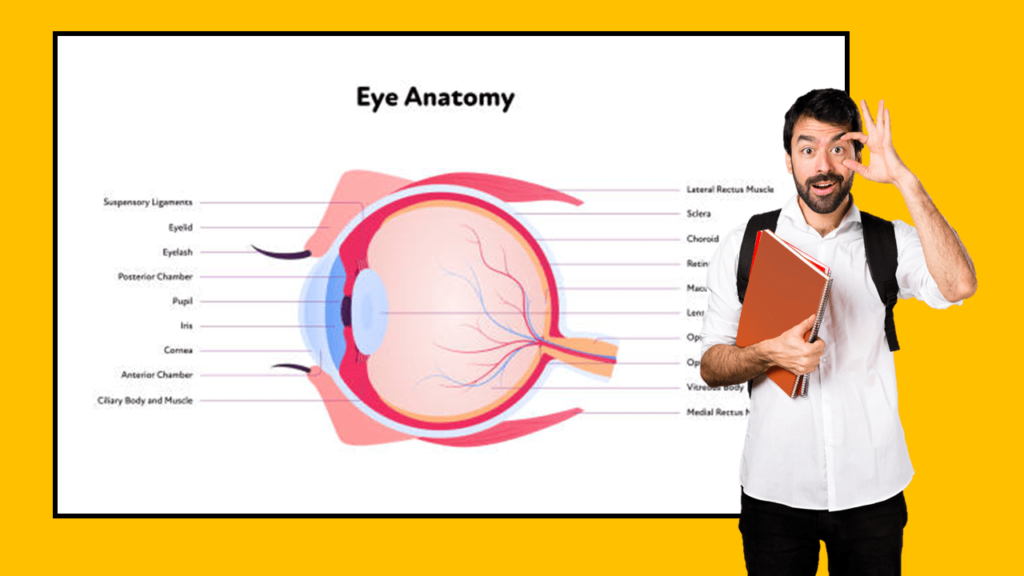
In this capacity, the focus is not just on “using tech,” but on ensuring that the entire digital learning ecosystem is coherent, integrated, and truly supports teaching and learning. That means moving away from scattered tools, improvised materials, and trial-and-error classroom testing , and towards structured development, quality assurance, and classroom-ready resources that have actually been designed with teachers and learners in mind.
A DODAR ensures that any learning platform or LMS is properly integrated into the school’s existing digital environment, so teachers and students aren’t forced to navigate multiple systems or disconnected repositories of files. With role-based access, teachers only see the courses, levels, and groups they are responsible for, keeping resources organised, secure, and easy to deliver.
The role also makes it possible to design materials in two parallel formats: an interactive classroom presentation for teacher-led delivery, and a self-study version that learners can access independently. This supports blended learning models, strengthens learner autonomy, and improves consistency across teaching teams.
In essence, a DODAR exists to ensure that investment in educational technology is backed by strategy, testing, and continuous development , so that digital tools genuinely enhance learning, rather than simply sitting in the classroom waiting to be used.
By centralising the development of digital academic resources within a DODAR function, schools can significantly reduce long-term staffing and operational costs. Instead of factoring unpaid preparation time into teacher rates, which often leads to inconsistent materials of uneven quality, the school invests once in professionally designed, reusable resources that can be deployed across multiple intakes, levels, and teachers. This also creates a far more flexible staffing model: when a teacher needs to be replaced, lessons can continue seamlessly without extensive handovers or coordination, meaning cover teachers do not need to be highly specialised or command premium hourly rates. Over time, the school benefits from lower onboarding costs, fewer teaching disruptions, and a scalable content library that increases the return on every programme delivered, while ensuring quality standards remain consistently high across the organisation.